A limb can look manageable from the driveway and become dangerous the moment someone starts pulling, cutting, or moving it. If you are asking who removes fallen limbs, the answer depends on where the limb landed, what it is touching, and whether the remaining tree is still stable. A professional tree service is usually the right call when a limb is large, under tension, near a structure, or connected to a damaged tree.
For Middle Tennessee property owners, fallen limbs are common after heavy rain, wind, ice, and saturated soil. Mature oaks, maples, pines, and Bradford pears can lose branches without much warning. Prompt cleanup matters, but safety matters more. The goal is not simply to get debris off the ground. It is to prevent a second failure, protect people and property, and leave the site clean.
Who Removes Fallen Limbs on Your Property?
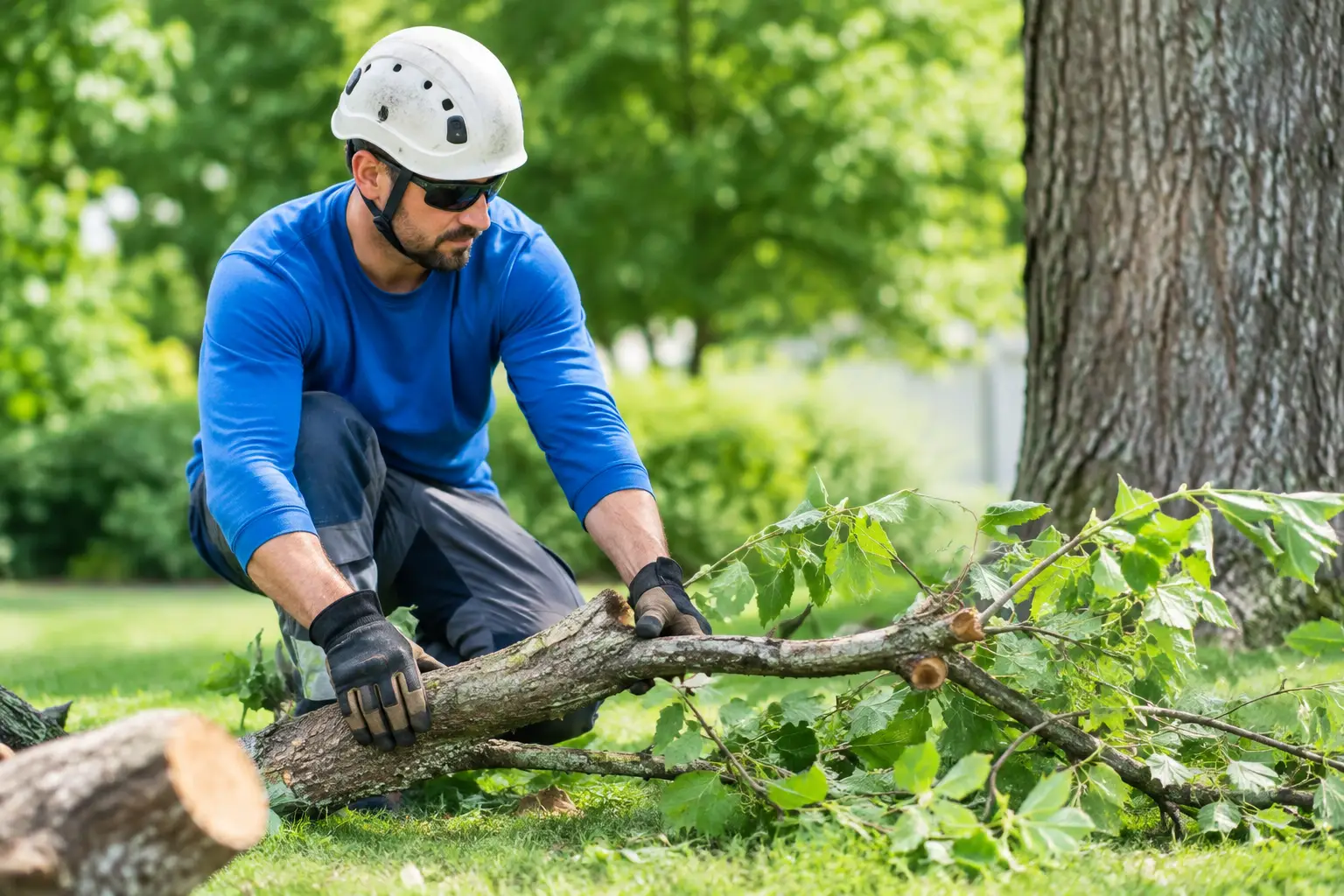
For most private residential and commercial properties, a qualified tree care company removes fallen limbs. Crews have the equipment and training to assess the limb, identify pressure points, make controlled cuts, and haul away debris. This is especially important when a limb is too heavy to move by hand, is suspended in another tree, or has struck a fence, roof, vehicle, driveway, or outdoor structure.
A landscaping crew may be able to pick up small branches that are already on open ground. That can be a reasonable option for routine yard debris after mild weather. However, landscaping and tree-risk work are not the same job. A large limb can be twisted, pinched, or carrying stored energy. Cutting it in the wrong order can cause it to roll, snap, or shift suddenly.
If the fallen limb is touching a power line, do not contact a tree service first and do not attempt to move it. Stay clear, keep children and pets away, and call the utility company or emergency services if there is immediate danger. Even a line that appears down or inactive can be energized. The utility must make the area safe before tree work can begin.
When a limb has fallen into a public road, blocks traffic, or affects public right-of-way access, contact local authorities. Municipal crews may handle debris in the roadway, while a property owner may still be responsible for debris within the property line. The details can vary by location and storm conditions.
When Fallen Limbs Need a Professional Tree Crew
The size of the limb is only one part of the decision. A six-inch branch may be simple to handle if it is fully on the ground in an open yard. A smaller limb may require professional removal if it is hanging over a sidewalk, tangled in a fence, or caught above a roof.
Call a professional tree crew when the limb is attached to the tree, elevated off the ground, leaning against a structure, or resting on another branch. These situations require controlled removal rather than a quick cut with a chainsaw. The crew should also inspect the remaining tree for split trunks, cracked leaders, exposed roots, fresh cavities, or branches that were weakened but did not fall.
Storm damage often reveals a larger issue. One fallen limb may point to decay inside the trunk, an overloaded canopy, poor past pruning, or root damage from construction and soil compaction. Removing the debris without checking the tree can leave a new hazard over your home, parking area, or entrance.
Commercial and HOA properties should be especially cautious. A fallen limb near a walkway, playground, common area, or customer parking lot can create an immediate liability concern. Temporary barriers may help keep people away, but timely professional service is the better long-term response.
What to Do Before Help Arrives
Start by taking a careful look from a safe distance. Note whether the limb is still connected to the tree, whether it is near electrical service, and whether the tree trunk has visible cracks or a new lean. Photos can help document the damage for insurance purposes and give a tree company useful information before arriving.
Keep people, pets, and vehicles out of the work area. Do not stand beneath hung-up branches or walk under a damaged canopy. A branch that has caught in another tree can drop later, especially when wind picks up or the wood dries and shifts.
Avoid using a ladder and chainsaw together. This is one of the most dangerous combinations in residential tree work. It is also wise to avoid pulling limbs with a truck, ATV, or rope unless you fully understand how the load will move. A limb can swing into a vehicle, damage a structure, or pull down more of the tree.
If the limb is on a roof, do not climb up to inspect it closely. Look for visible roof damage from the ground, check indoors for water intrusion if it is safe to do so, and contact the appropriate professionals. The tree crew can remove the limb in a controlled manner, helping prevent additional damage during cleanup.
The Difference Between Cleanup and Tree Repair
Fallen-limb removal is often the first step, not the final step. Once debris is cleared, the tree may need corrective pruning to remove torn wood, reduce weight from damaged sections, and improve the structure of remaining branches. Proper pruning does not mean cutting back everything that looks uneven. Over-pruning can stress a tree and encourage weak new growth.
In some cases, removal is the honest recommendation. A tree with a major trunk split, extensive decay, or severe root failure may no longer be safe to keep near a house, driveway, or occupied area. A dependable tree professional should explain why removal is recommended, what equipment will be used, and how the work area will be protected.
Cleanup should also include more than dropping branches at the curb. Professional service typically involves cutting and removing the fallen limb, raking or blowing smaller debris, and leaving the property orderly. If a stump or damaged root system becomes part of a larger removal project, stump grinding and root removal may be worth discussing as well.
Will Insurance Cover a Fallen Limb?
Insurance coverage depends on the policy, the cause of the fall, and what was damaged. When a healthy tree limb falls during a covered weather event and damages an insured structure, homeowners insurance may help cover removal as part of the claim. Coverage for removing a limb that simply lands in the yard, without damaging a covered structure, is often more limited.
Do not assume that waiting will improve the situation. If a damaged tree remains over a roof or driveway after a storm, document it and take reasonable steps to prevent further loss. Keep invoices, photos, and written estimates. Your insurance provider can explain what your policy covers and whether an adjuster needs to inspect the damage.
For rental properties, apartment communities, offices, and retail sites, clear documentation is equally valuable. Record the location, the time the hazard was discovered, access restrictions put in place, and the service performed. This helps property managers show that they responded responsibly.
Choosing the Right Company for Fallen Limb Removal
Ask whether the company is insured, whether it has experience with storm-damaged trees, and whether cleanup and debris removal are included in the estimate. A clear estimate should explain the scope of work rather than leaving you guessing about hauling, equipment access, or additional charges.
Experience with local tree conditions matters. Wet ground, steep backyards, narrow gates, utility lines, and mature neighborhoods all affect how a crew approaches the job. The cheapest quote is not always the best value if it skips a proper assessment or leaves the site covered in debris.
Men in Green provides fallen-limb removal, storm cleanup, tree trimming, and hazardous tree removal for homeowners and property managers across Middle Tennessee. With more than 30 years of regional experience, the crew can assess the immediate hazard and recommend the right next step without pushing work that is not needed.
A fallen limb is a reminder to look up before the next storm arrives. If a tree has weak-looking branch unions, dead wood, heavy limbs over a roof, or visible decay, addressing it early is usually safer and less disruptive than waiting for wind or ice to make the decision for you.